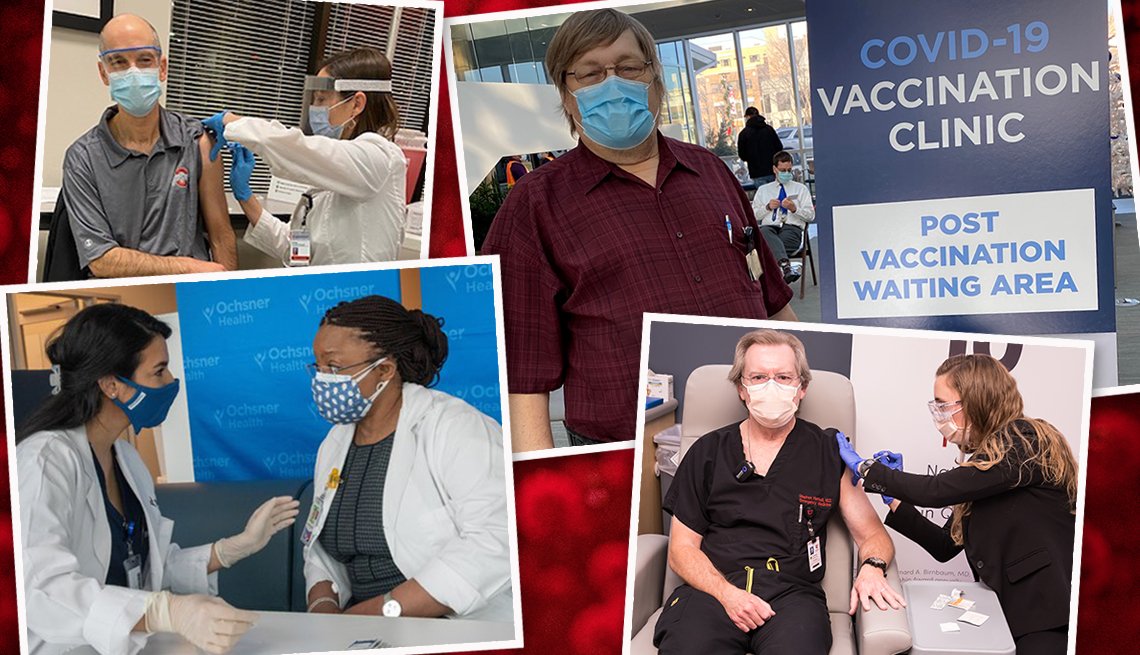
This call for a halt to the vaccines comes from a largely Latin American group of doctors and researchers, including several from Spain. America’s Dr. Peter McCullough is also part of this group, as it well known French geneticist Dr. Alexandra Henrion-Caude.
57 Scientists & Physicians Call For Immediate Halt to All CV-19 “Vaccinations”
A group of 57 leading scientists, physicians and policy experts have issued a report calling into question the safety and efficacy of current COVID-19 “vaccines” and are now calling for an immediate end to all vaccination programs – among them geneticist Alexandra Henrion-Caude.
The therapies used as “vaccines” do not meet the definition of the word vaccine and would be more appropriately called gene therapies or vaccine vector therapies.
There are two certainties regarding the global distribution of these Covid-19 therapies:
- The first is that governments and the vast majority of the mainstream media are putting all their efforts into getting these experimental drugs to as many people as possible.
- The second is that those who are willing to face the scorn that comes with asking serious questions about vaccines are essential players in our ongoing efforts to spread the truth.
You can read this manuscript in pre-print below. It was prepared by nearly sixty physicians, scientists, and public policy experts from around the world to be sent urgently to world leaders as well as to all those associated with the production and distribution of the various Covid-19 vaccines in circulation.
If society collapses, you can bet that the foods the pioneers ate will become dietary staples
The Lost Ways prepares you to deal with worst-case scenarios with the minimum amount of resources just like our forefathers lived their lives, totally independent from electricity, cars, or modern technology.
So pay chose attention because this video will change your life forever for the good!

There are still far too many unanswered questions about the safety, efficacy and necessity of these Covid-19 therapies.
This study is a bombshell that should be read by everyone, regardless of their views on gene therapies or vaccines.
Not enough citizens are asking questions. Most people simply follow the orders of world governments, as if they had earned our complete trust. This is not the case. This manuscript is a step forward in terms of accountability and the free flow of information on this crucial subject. Please take the time to read it and share it widely.
Mass vaccination against SARS-CoV-2: urgent questions about vaccine safety that require answers from international health agencies, regulatory authorities, governments and vaccine developers
Authors: Roxana Bruno 1, Peter McCullough 2, Teresa Forcades i Vila 3, Alexandra Henrion-Caude 4 Teresa García-Gasca 5, Galina P. Zaitzeva 6, Sally Priester 7, María J.Martínez Albarracín 8, Alejandro Sousa-Escandon 9, Fernando López Mirones 10, Bartomeu Payeras Cifre 11, Almudena Zaragoza Velilla 10, Leopoldo M. Borini 1, Mario Mas 1, Ramiro Salazar 1, Edgardo Schinder 1, Eduardo A Yahbes 1, Marcela Witt 1, Mariana Salmeron 1, Patricia Fernández 1, Miriam M. Marchesini 1 , Alberto J. Kajihara 1, Marisol V. de la Riva 1, Patricia J. Chimeno 1, Paola A. Grellet 1, Matelda Lisdero 1, Pamela Mas 1, Abelardo J. Gatica Baudo 12, Elisabeth Retamoza 12, Oscar Botta 13 , Chinda C. Brandolino 13, Javier Sciuto 14, Mario Cabrera Avivar 14, Mauricio Castillo 15, Patricio Villarroel 15, Emilia P. Poblete Rojas 15, Bárbara Aguayo 15, Dan I. Macías Flores 15, Jose V. Rossell 16, Julio C. Sarmiento 17, Victor Andrade-Sotomayor 17, Wilfredo R. Stokes Baltazar 18, Virna Cedeño Escobar 19, Ulises Arrúa 20, Atilio Farina del Río 21, Tatiana Campos Esquivel 22, Patricia Callisperis 23, María Eugenia Barrientos 24, Karina Acevedo-Whitehouse 5
Abstract
Since the beginning of the COVID-19 epidemic, the race to test new platforms designed to confer immunity to SARS-CoV-2 has been rampant and unprecedented, leading to the emergency authorization of various vaccines. Despite advances in early multidrug therapy for COVID-19 patients, the current mandate is to vaccinate the global population as quickly as possible. The lack of extensive animal testing prior to clinical trials, and approval based on safety data generated in trials that lasted less than 3.5 months, raises questions about the safety of these vaccines. The recently identified role of the SARS-CoV-2 spike glycoprotein in inducing endothelial damage characteristic of COVID-19, even in the absence of infection, is extremely relevant given that most licensed vaccines induce Spike glycoprotein production in recipients. Given the high rate of occurrence of adverse events and the wide range of adverse event types reported to date, as well as the potential for vaccine-induced disease enhancement, Th2 immunopathology, autoimmunity, and immune evasion, there is a need for a better understanding of the benefits and risks of mass vaccination, particularly in groups excluded from clinical trials. Despite calls for caution, the risks of vaccination against SARS-CoV-2 have been downplayed or ignored by health organizations and government authorities. We call for the need for a pluralistic dialogue in health policy.
Introduction
Since the declaration of the Covid-19 pandemic in March 2020, more than 150 million cases and 3 million deaths have been reported worldwide. Despite advances in early outpatient multidrug therapy for high-risk patients, resulting in an 85% reduction in Covid-19-related hospitalizations and deaths [1], the current control paradigm is mass vaccination. Although we recognize the effort involved in the development, production, and emergency licensure of SARS-CoV-2 vaccines, we are concerned that the risks have been minimized or ignored by health organizations and government authorities, despite calls for caution [2-8].
Vaccines against other coronaviruses have never been approved for use in humans, and data generated in the development of coronavirus vaccines designed to elicit neutralizing antibodies show that they can worsen COVID-19 disease via antibody-dependent enhancement (ADE) and Th2 immunopathology, regardless of the vaccine. platform and delivery method [9-11]. Vaccine-induced disease enhancement in SARS-CoV and MERS-CoV vaccinated animals is known to occur following viral challenge and has been attributed to immune complexes and Fc-mediated viral uptake by macrophages, which increase T cell activation and inflammation [11 -13].
In March 2020, vaccine immunologists and coronavirus experts assessed the risks of the SARS-CoV-2 vaccine based on SARS-CoV vaccine trials in animal models. The panel concluded that ADR and immunopathology were a real concern, but stated that their risk was insufficient to delay clinical trials, although continued monitoring would be required [14]. Although there is no clear evidence of the occurrence of ADRs and vaccine-related immunopathology in volunteers immunized with SARS-CoV-2 vaccines [15], safety trials to date have not specifically addressed these serious adverse events (SAEs). Given that follow-up of volunteers did not exceed 2-3.5 months after the second dose [16-19], it is unlikely that such an SAE was observed. Despite 92 reporting errors, it cannot be ignored that even taking into account the number of vaccines administered, according to the US Vaccine Adverse Event Reporting System (VAERS), the number of deaths per million doses of vaccine administered increased more than 10-fold. We believe there is an urgent need for an open scientific dialogue on vaccine safety in the context of large-scale vaccination.
In this article, we describe some of the risks of mass vaccination in the context of exclusion criteria for phase 3 trials and discuss the GSS reported in national and regional adverse event registration systems. We highlight unanswered questions and draw attention to the need for a more cautious approach to mass vaccination. We believe there is an urgent need for an open scientific dialogue on vaccine safety in the context of large-scale vaccination.
Exclusion criteria for the SARS-CoV-2 phase 3 trial
With few exceptions, SARS-CoV-2 vaccine trials have excluded elderly individuals [16-19], making it impossible to identify the occurrence of post-vaccination eosinophilia and increased inflammation in the elderly. Studies of SARS-CoV vaccines have shown that immunized elderly mice are at particularly high risk for potentially lethal Th2 immunopathology [9,20]. Despite this evidence and the extremely limited data on the safety and efficacy of SARS-CoV-2 vaccines in the elderly, mass vaccination campaigns have focused on this age group from the beginning. Most trials have also excluded pregnant and lactating volunteers, as well as those with chronic and severe conditions such as tuberculosis, hepatitis C, autoimmunity, coagulopathies, cancer, and immunosuppression [16-29], although these recipients are now offered the vaccine under the premise of safety.
Another exclusion criterion in almost all trials was prior exposure to SARS-CoV-2. This is unfortunate because it denied the possibility of obtaining highly relevant information regarding post-vaccination adverse events in individuals who already have anti-SARS-Cov-2 antibodies. To the best of our knowledge, ADEs are not routinely monitored for any age or medical condition group currently administered the vaccine. Furthermore, despite a substantial proportion of the population already having antibodies [21], testing for anti-SARS-CoV-2 antibody status prior to vaccine administration is not routinely performed.
Will serious adverse events from SARS-CoV-2 vaccines go undetected?
COVID-19 encompasses a broad clinical spectrum, ranging from very mild to severe pulmonary pathology and fatal multi-organ disease with inflammatory, cardiovascular, and blood coagulation dysregulation [22-24]. In this sense, vaccine-related ADR or immunopathology would be clinically indistinguishable from severe COVID-19 [25]. Furthermore, even in the absence of SARS-CoV-2 virus, the spike glycoprotein alone causes endothelial damage and hypertension in vitro and in vivo in Syrian hamsters by downregulating angiotensin-converting enzyme 2 (ACE2) and impairing mitochondrial function [26]. Although these results need to be confirmed in humans, the implications of this finding are staggering, as all vaccines licensed for emergency use are based on the administration or induction of spike glycoprotein synthesis. In the case of mRNA and adenovirus vectorized vaccines, no studies have examined the duration of spike production in humans after vaccination.
On the basis of the precautionary principle, it is parsimonious to consider that vaccine-induced spike synthesis could cause clinical signs of severe COVID-19 and be erroneously counted as new cases of SARS-CoV-2 infections. If this is the case, the true adverse effects of the current global vaccination strategy may never be recognized unless studies specifically examine this issue. There is already non-causal evidence of temporary or sustained increases in COVID-19 deaths following vaccination in some countries (Fig.1), and in light of the pathogenicity of spike, these deaths need to be studied in depth to determine whether they are related to vaccination.
Unanticipated adverse reactions to SARS-CoV-2 vaccines
Autoimmunity is another critical issue to consider given the global scale of SARS-CoV-2 vaccination. SARS-CoV-2 has many immunogenic proteins and all but one of its immunogenic epitopes have similarities to human proteins [27]. These can act as a source of antigens, leading to autoimmunity [28]. While it is true that the same effects could be observed in natural infection with SARS-CoV-2, vaccination is intended for most of the world’s population, whereas it is estimated that only 10% of the world’s population has been infected with SARS-CoV -2, according to Dr. Michael Ryan, head of emergencies at the World Health Organization. We could not find evidence that any of the currently licensed vaccines have screened and excluded homologous immunogenic epitopes to avoid potential autoimmunity due to pathogenic priming.
Some adverse events, including blood clotting disorders, have already been reported in healthy, young vaccinees. These cases have led to the suspension or cancellation of the use of ChAdOx1-nCov-19 and Janssen adenoviral vectorized vaccines in some countries. It has now been proposed that vaccination with ChAdOx1-nCov-19 may result in immune thrombotic thrombocytopenia (ITT) mediated by platelet-activating antibodies to platelet factor-4, which clinically mimics heparin-induced autoimmune thrombocytopenia [29]. Unfortunately, the risk was overlooked when these vaccines were approved, although adenovirus-induced thrombocytopenia has been known for more than a decade and has been a consistent event with adenoviral vectors [30]. The risk of TTIV would likely be higher in individuals already at risk for blood clots,
At the population level, there could also be vaccine-related impacts. SARS-CoV-2 is a rapidly evolving RNA virus that has so far produced more than 40,000 variants [32,33], some of which affect the antigenic domain of the spike glycoprotein [34,35]. Given the high mutation rates, vaccine-induced synthesis of high levels of anti-SARS-CoV-2-spike antibodies could theoretically lead to suboptimal responses against subsequent infections by other variants in vaccinated individuals [36], a phenomenon known as “sin”[37] or antigenic priming [38]. The extent to which mutations affecting SARS-CoV-2 antigenicity will become fixed during viral evolution is unknown [39], but vaccines could likely act as selective forces resulting in variants with higher infectivity or transmissibility. Given the high similarity among known SARS-CoV-2 variants, this scenario is unlikely [32,34], but if future variants were to differ further in key epitopes, the global vaccination strategy could have helped shape an even more dangerous virus. This risk was recently brought to the attention of WHO in the form of an open letter [40].
Discussion
The risks described here are a major obstacle to further global vaccination against SARS-CoV-2. Evidence of the safety of all SARS-CoV-2 vaccines is needed before exposing more people to the risk of these experiments, as the release of a candidate vaccine without time to fully understand the resulting health impact could lead to an exacerbation of the current global crisis. [41]. Risk stratification of vaccinees is critical. According to the British government, people under 60 years of age have an extremely low risk of dying from COVID-19. However, according to Eudravigillance, most serious adverse events following SARS-CoV-2 vaccination occur in people aged 18 to 64 years. Of particular concern is the planned vaccination schedule for children aged 6 years and older in the United States and the United Kingdom. Dr. Anthony Fauci recently projected that adolescents nationwide will be vaccinated in the fall and younger children in early 2022, and the United Kingdom is awaiting trial results to begin vaccinating 11 million children under the age of 18. to the experimental vaccines, as the Centers for Disease Control and Prevention estimates that they have a 99.997% survival rate if infected with SARS-CoV-2. Not only is COVID-19 irrelevant as a threat to this age group, but there is no reliable evidence to support the efficacy or effectiveness of the vaccine in this population or to rule out harmful side effects of these experimental vaccines. In this sense, when physicians counsel patients on the elective administration of COVID-19 vaccination.
In conclusion, in the context of the rushed emergency authorization for use of SARS-CoV-2 vaccines and the current gaps in our understanding of their safety, the following questions must be raised:
- Is it known whether cross-reacting antibodies from previous coronavirus infections or vaccine-induced antibodies can influence the risk of unintended pathogenesis after vaccination with COVID-19?
- Has the specific risk of ADRs, immunopathology, autoimmunity, and serious adverse reactions been clearly disclosed to vaccine recipients to meet the medical ethics standard of patient understanding for informed consent? If not, what are the reasons and how could it be implemented?
- What is the rationale for administering the vaccine to each individual when the risk of dying from COVID-19 is not equal across age groups and clinical conditions and when the phase 3 trials excluded the elderly, children, and frequent specific conditions?
- What are the legal rights of patients if they are harmed by a SARS-CoV-2 vaccine? Who will cover the costs of medical treatment? If claims were to be settled with public funds, has the public been informed that vaccine manufacturers have been granted immunity and that their responsibility to compensate those harmed by the vaccine has been transferred to taxpayers?
In the context of these concerns, we propose stopping mass vaccination and opening an urgent, pluralistic, critical and scientifically based dialogue on SARS-CoV-2 vaccination between scientists, physicians, international health agencies, regulatory authorities, governments and vaccine developers. This is the only way to bridge the current gap between scientific evidence and public health policy regarding SARS-CoV-2 vaccines. We are convinced that humanity deserves a deeper understanding of the risks than what is currently presented as the official position. An open scientific dialogue is urgent and necessary to avoid the erosion of public confidence in science and public health and to ensure that WHO and national health authorities protect the interests of humanity during the current pandemic.
There is an urgent need to return public health policy to evidence-based medicine, based on careful evaluation of relevant scientific research. It is imperative to follow the science.
Conflict of Interest Statement
The authors declare that the research was conducted in the absence of any business or financial relationship that could be construed as a potential conflict of interest.
Are you ready to survive in the major crisis?
Alive After the Fall – How to Survive an EMP/HEMP Attack on the Power Grid this guide is a complete program that gives you not only great strategies to survive catastrophes, nuclear and chemical attacks.
But also, to help you be a step ahead of the global enemy, understand political and social signs, and never be caught off-guard.

 Powpazz